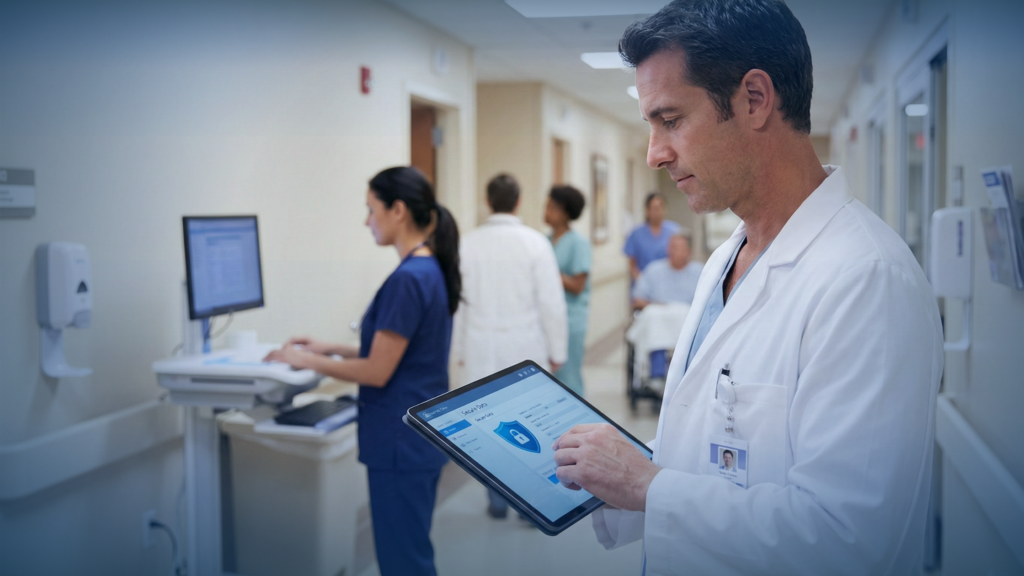
Healthcare Security Systems That Protect Patients and Providers
Healthcare organizations face constant pressure to protect patient data, secure facilities, and maintain trust. Cyberattacks, outdated technology, and growing compliance requirements make security harder than ever. Hospitals and clinics need healthcare security systems that can keep up with modern threats.
Many providers already know their security tools are outdated, yet upgrades feel overwhelming. That is where a clear plan and the right partner can make a major difference. Modern healthcare security solutions give teams the protection they need without slowing down care.
Maxwell IT supports medical practices, clinics, and health and social care organizations across Seattle by strengthening their digital and physical security posture.
Why Hospitals Need Stronger Security Systems Today
Security challenges in healthcare continue to rise. Attackers target hospitals because patient data has a high black-market value. Facilities also rely on thousands of connected devices, which creates more opportunities for unauthorized access.
Common risks include:
- Ransomware that locks patient charts
- Compromised medical devices
- Stolen patient data\
- Unsecured workstations left open in busy areas
- Staff who are not trained to spot phishing
Hospital security systems must protect both digital and physical environments. That means securing networks, endpoints, user access, facility controls, and backup systems.
When these layers work together, the risk of downtime and data loss drops significantly.

Modern hospital security systems utilize access control to restrict entry to sensitive areas like pharmacies and server rooms.
What Makes a Strong Healthcare Security System
Effective healthcare security systems include several key components that work together. These systems must be reliable, easy for staff to use, and built to support patient care.
1. Identity and Access Management
Controls who can access patient records, devices, and secure areas of the building.
2. Network Monitoring and Threat Detection
Tracks unusual activity before it turns into an incident.
3. Data Encryption and Secure Backups
Protects health information and ensures availability during outages.
4. Endpoint Protection for Medical Devices
Keeps equipment safe from malware and unauthorized changes.
5. Physical Security Tools
Includes cameras, access control, alarms, and secure workstations.
Maxwell IT provides healthcare security solutions that bring all of these tools together under a single strategy. The goal is simple. Keep operations running smoothly and protect the information that patients trust you with.
Security Systems in Health and Social Care Must Support Staff Workflows
Too many clinics install complex tools that slow down daily tasks. Strong security systems in health and social care must support fast access to information without adding confusion.
That means:
- Quick login tools such as MFA and single sign-on
- Automatic session timeouts on shared devices
- Secure inbox filters that reduce phishing
- Smooth access to cloud systems without exposing vulnerabilities
When technology supports staff instead of interrupting them, adoption becomes easier. That is exactly how Maxwell IT designs healthcare security solutions.
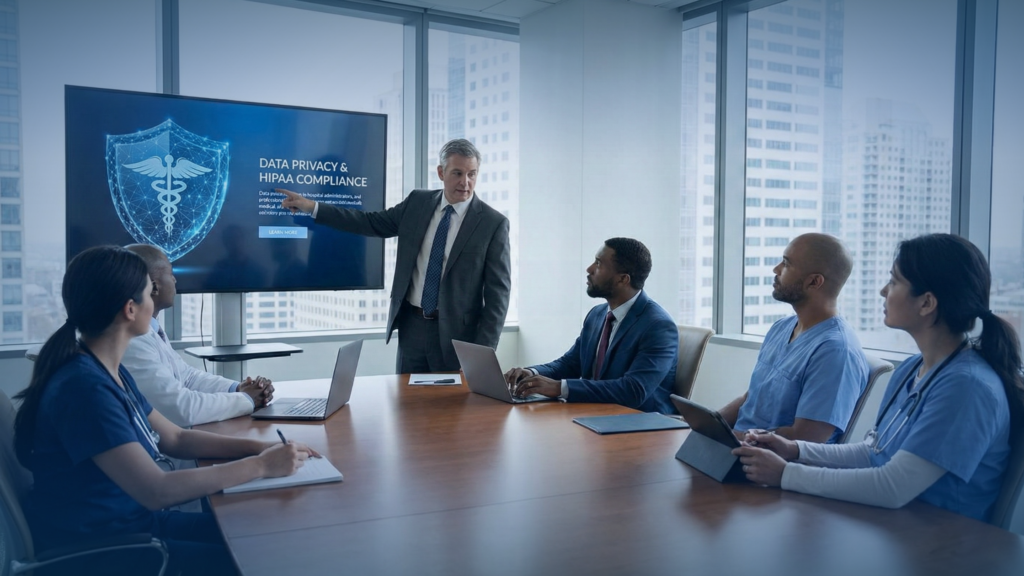
Maxwell IT provides comprehensive healthcare security solutions that align with HIPAA compliance and protect sensitive data.
How Maxwell IT Helps Healthcare Teams Stay Secure
Maxwell IT works closely with Seattle healthcare organizations to build custom security strategies. Every clinic, practice, and specialty has different risks and workflows, so the solution must match those needs.
Our approach includes:
- Full security assessments
- Ongoing monitoring
- Patch management
- Incident response
- Compliance support for HIPAA and local regulations
- Secure cloud migrations
- Staff training to reduce human error
We also help upgrade outdated hospital security systems that no longer meet today’s threat landscape. Our goal is to give organizations confidence knowing their systems are protected around the clock.
Frequently Asked Questions (FAQ)
1. What are healthcare security systems?
Healthcare security systems are tools and processes that protect patient data, medical devices, networks, and physical facilities.
2. Why are hospital security systems important?
They prevent cyberattacks, reduce downtime, protect patient records, and help meet compliance requirements such as HIPAA.
3. What security tools do hospitals need most?
Access control, network monitoring, endpoint protection, encryption, secure backups, and physical security upgrades.
4. How can healthcare clinics improve security quickly?
Start with a security assessment, implement MFA, update critical patches, and add monitoring tools to detect threats early.
5. Does Maxwell IT support health and social care organizations?
Yes. Maxwell IT provides healthcare security solutions for clinics, practices, hospitals, and social care organizations across Seattle.
Last updated: March 16, 2026